
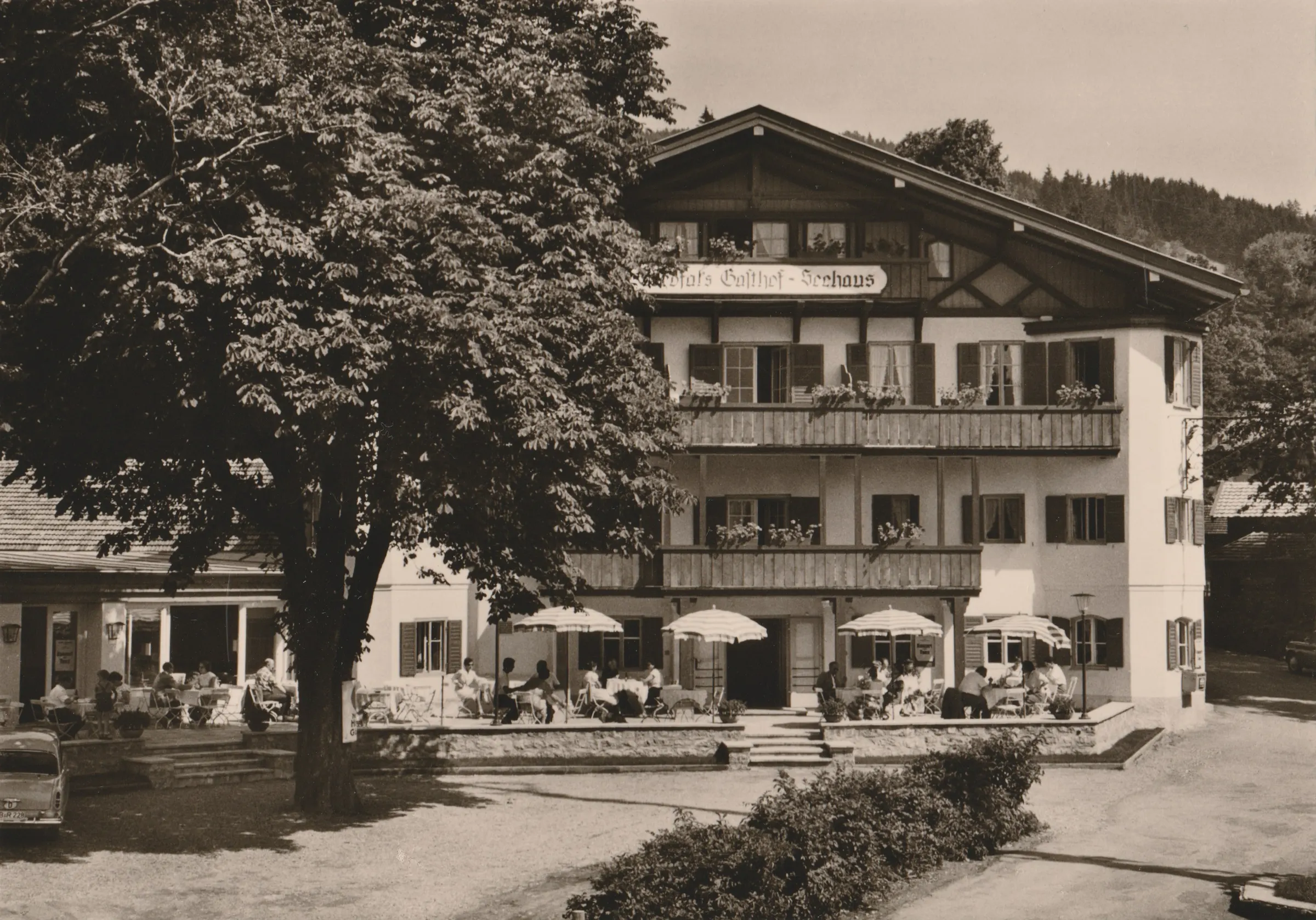
For more than 500 years
From village inn to boutique hotel. And in between, an actor who made it from Schliersee all the way to the Metropolitan Opera.
500+years the house has stood on the same spot.
1891Xaver Terofal buys the property.
1892he founds the first Bavarian peasant theatre.
450+seats in the theatre next door.
An inn, a theatre.
The Terofal has stood on the same spot for more than five hundred years. It began as a Tafernwirt, and in old Bavaria that was more than just an inn. A Tafernwirtschaft held special rights: it could put up guests, host weddings and serve as a place where justice was administered. It was where a village came together.
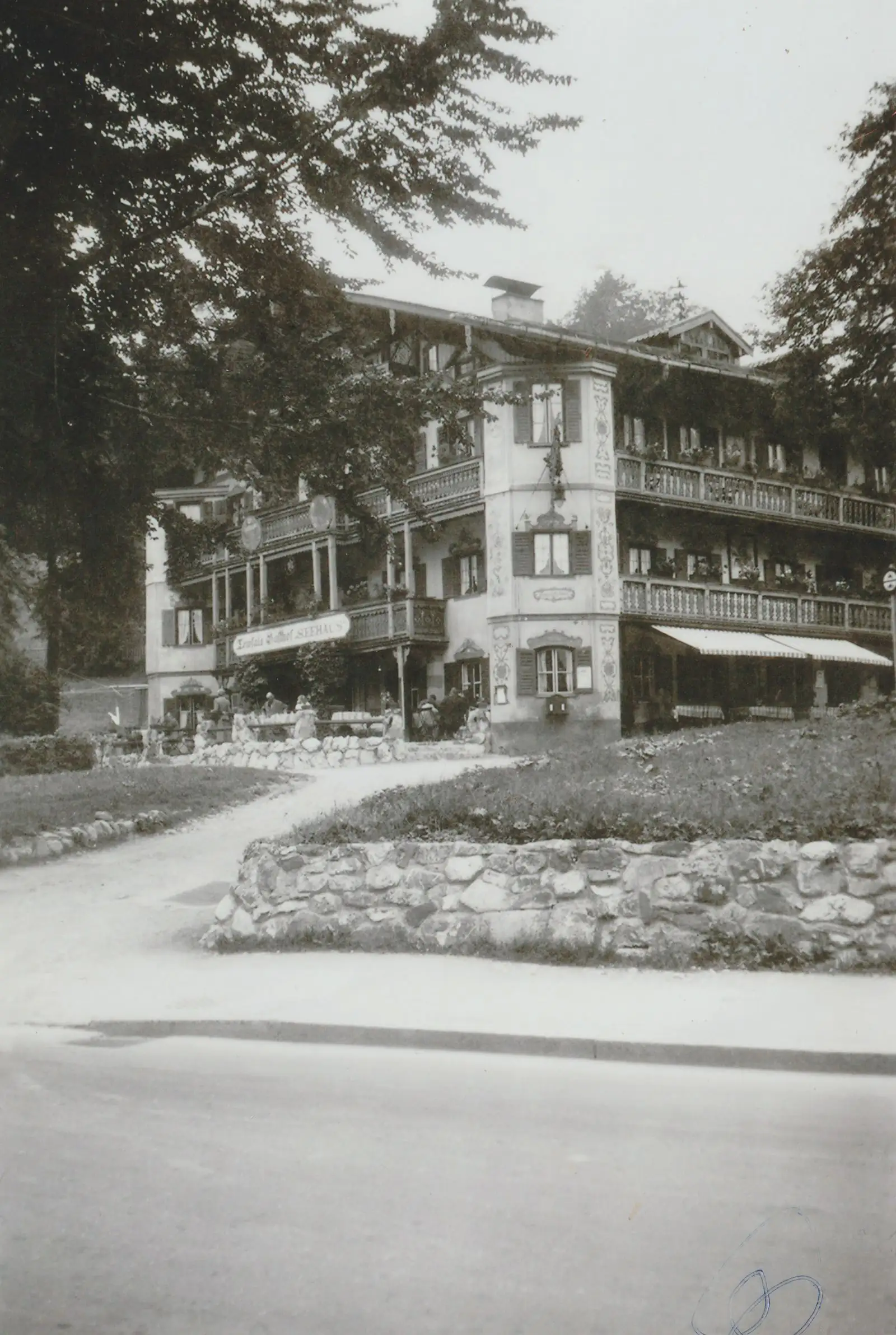
In the nineteenth century the railway changed who stopped here. Alongside farmers, hunters and fishermen came the Sommerfrischler, people from Munich who moved out to the countryside for the warm months. Schliersee became a destination for day trips and holidays, and the house became a hotel.
In 1891 Xaver Terofal bought the property and ran it as the Hotel Seehaus. He was an actor and an innkeeper at the same time, and the following year he founded the Schlierseer Bauerntheater together with Konrad Dreher. It was the very first Bavarian Bauerntheater, a peasant theatre of rural folk plays. The genre that exists all over Bavaria today simply did not exist before.
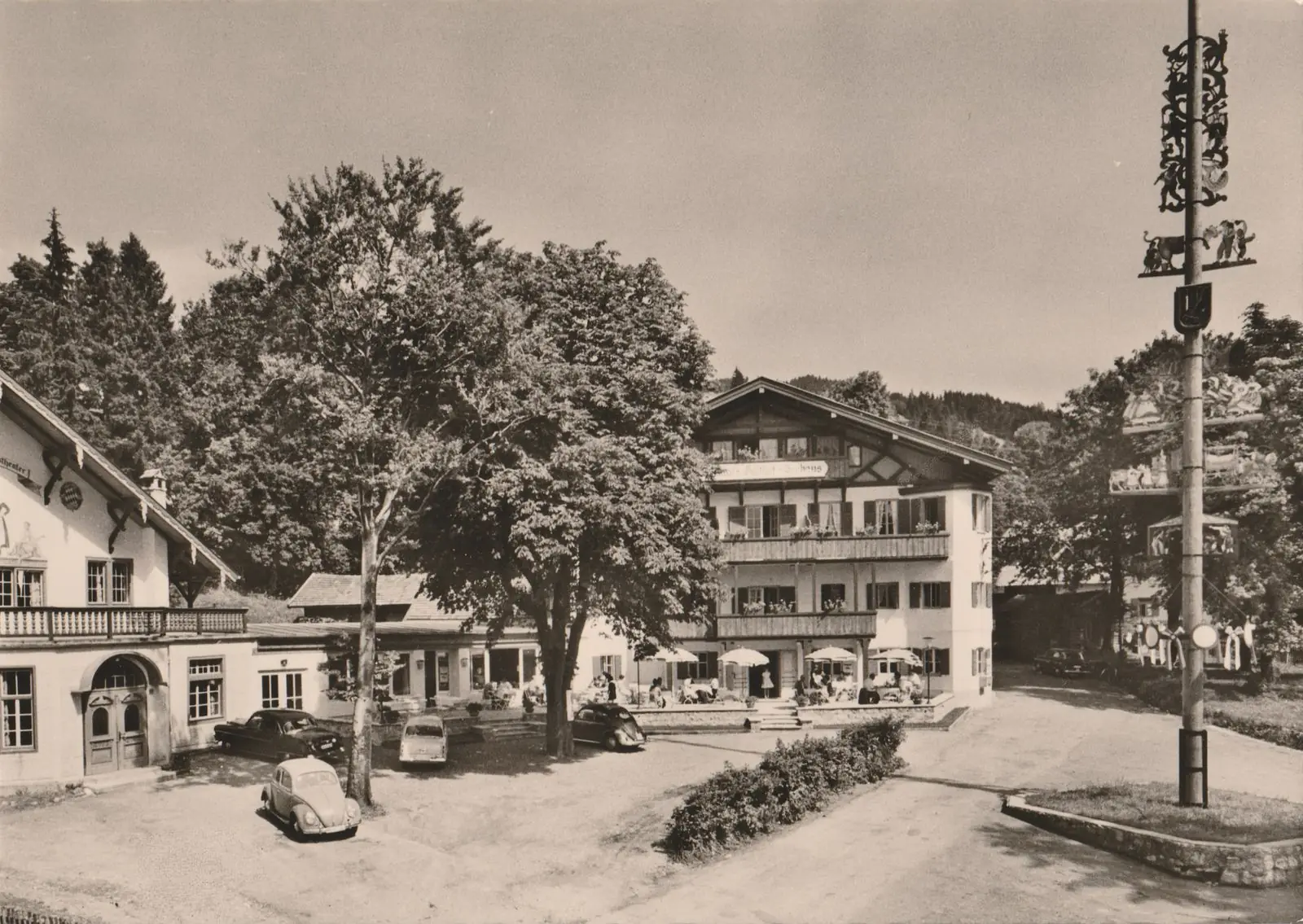
In 1892 the theatre got a building of its own next door, designed by Emanuel von Seidl, with more than 450 seats. It still stands today, and its hall is the largest event space on the Schliersee. Three years later the company toured America and played, among other venues, at the Metropolitan Opera in New York. A peasant theatre from a village in Upper Bavaria, on one of the largest stages in the world.
The name Terofal is a small story in itself. The family has French roots: his great-grandfather was secretary to the French legation in Munich and was called Laforet. Read backwards, that gives Terofal. The claim, often repeated online, that Xaver Terofal was born François Xavier Laforet is not true. Incidentally, at his father’s wish he first trained as a butcher before going on the stage.
Xaver Terofal died in 1940. The square in front of the theatre bears his name today, and so does the house on it. In 2024 Ute and Markus Leitner took it over, and the following year they renovated it from the ground up under heritage protection. The old guesthouse became a four-star boutique hotel, and the inn on the ground floor has stayed.
Five centuries on one spot.
From Tafernwirt to the Hotel Seehaus to the boutique hotel.
for more than 500 years
A Tafernwirt on this spot
The house begins as a Tafernwirt, the inn where farmers, hunters and fishermen gathered. In old Bavaria a Tafernwirtschaft held special rights: it could put up guests, host weddings and serve as a place where justice was administered. From the very start, then, the place was what it still is today.
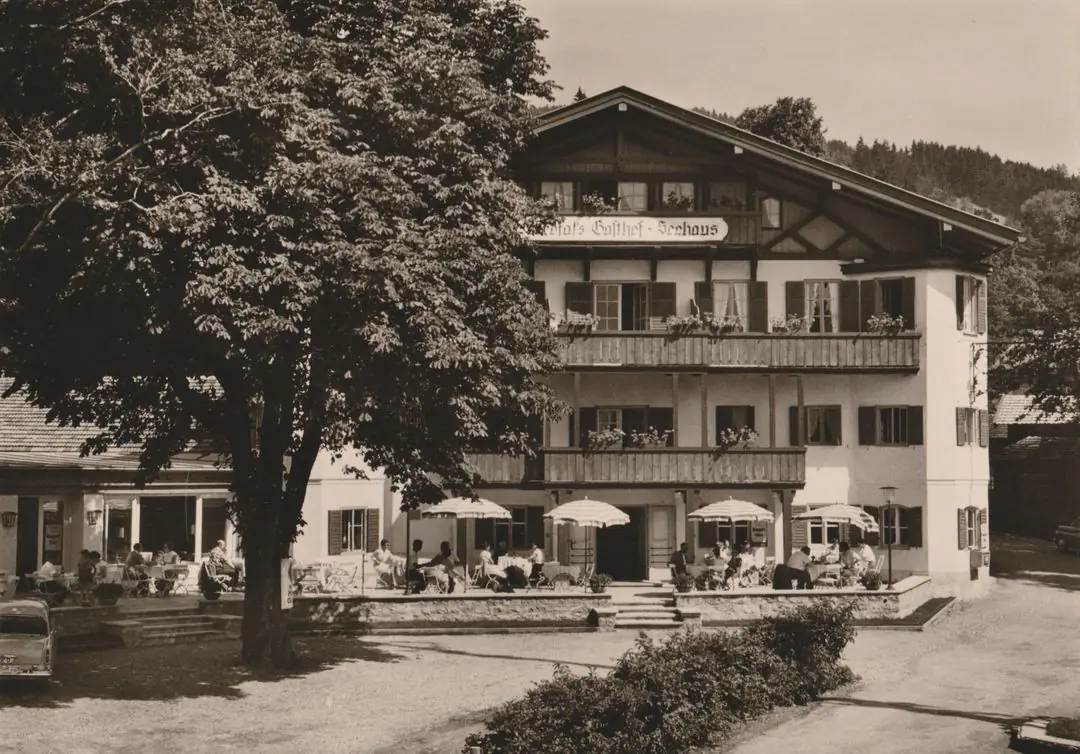
19th century
The summer visitors arrive
The railway brings Schliersee within reach of Munich. The house becomes the destination of many Sommerfrischler, the first holidaymakers, who left the city for the countryside during the warm months.
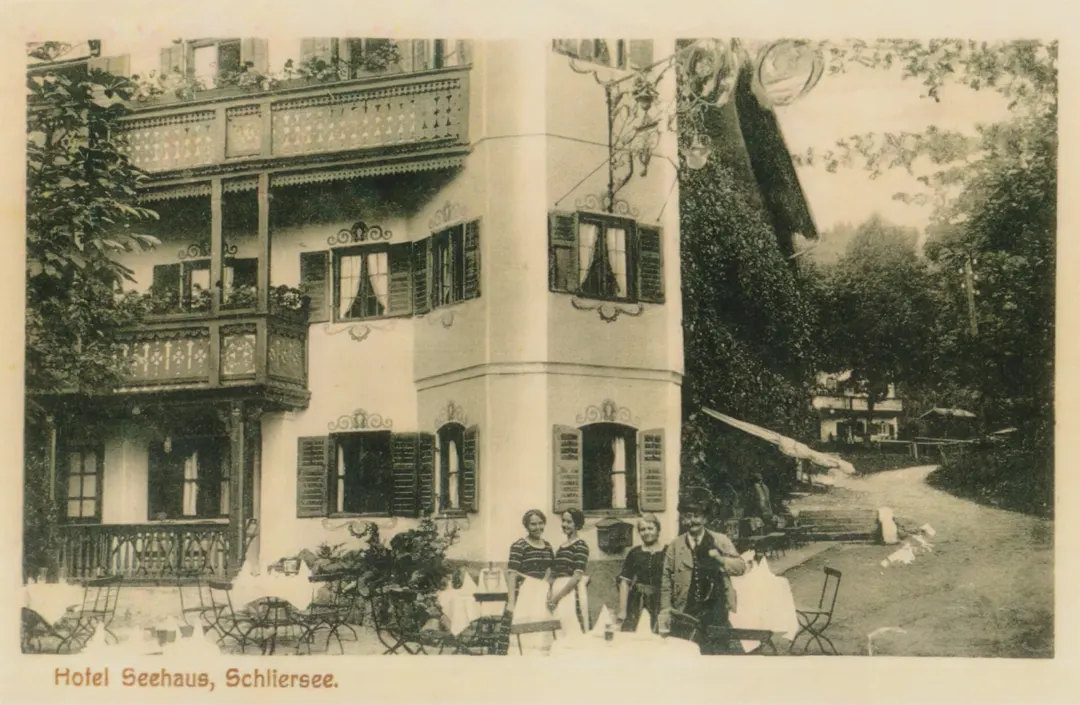
1891
Xaver Terofal buys the house
The actor and innkeeper Xaver Terofal acquires the property and runs it as the Hotel Seehaus. This marks the start of the link between inn and theatre that still shapes the house today.
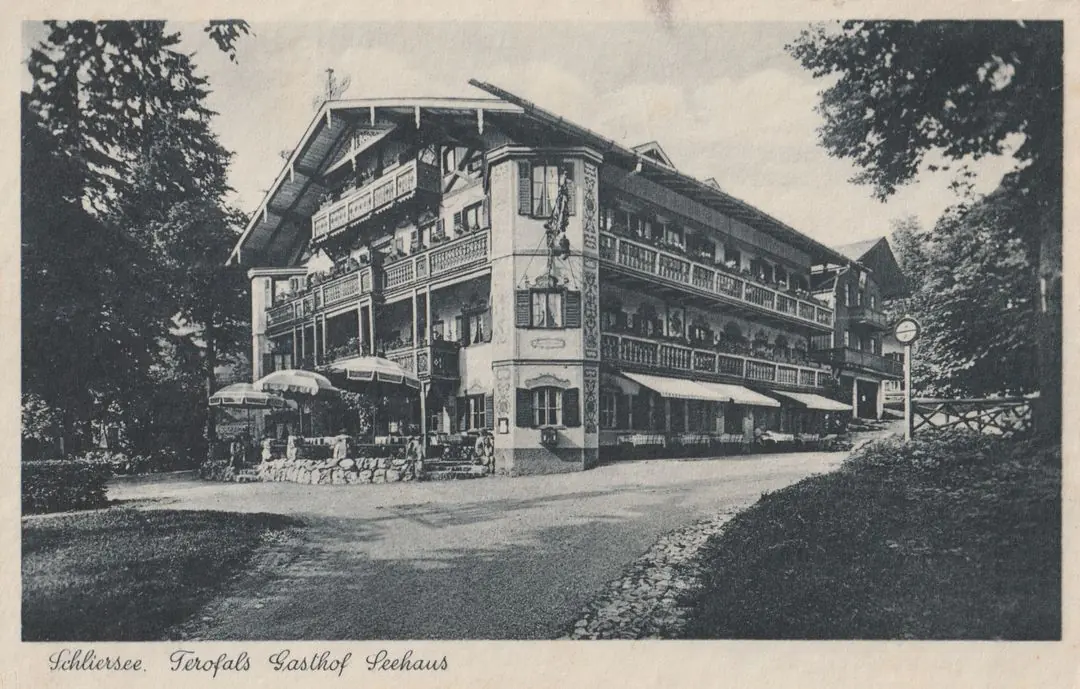
1892
The first Bavarian peasant theatre
Together with Konrad Dreher, Terofal founds the Schlierseer Bauerntheater, the very first Bavarian Bauerntheater, a theatre of rural folk plays. In the same year the theatre building goes up next door to designs by Emanuel von Seidl, with more than 450 seats. It still stands today.
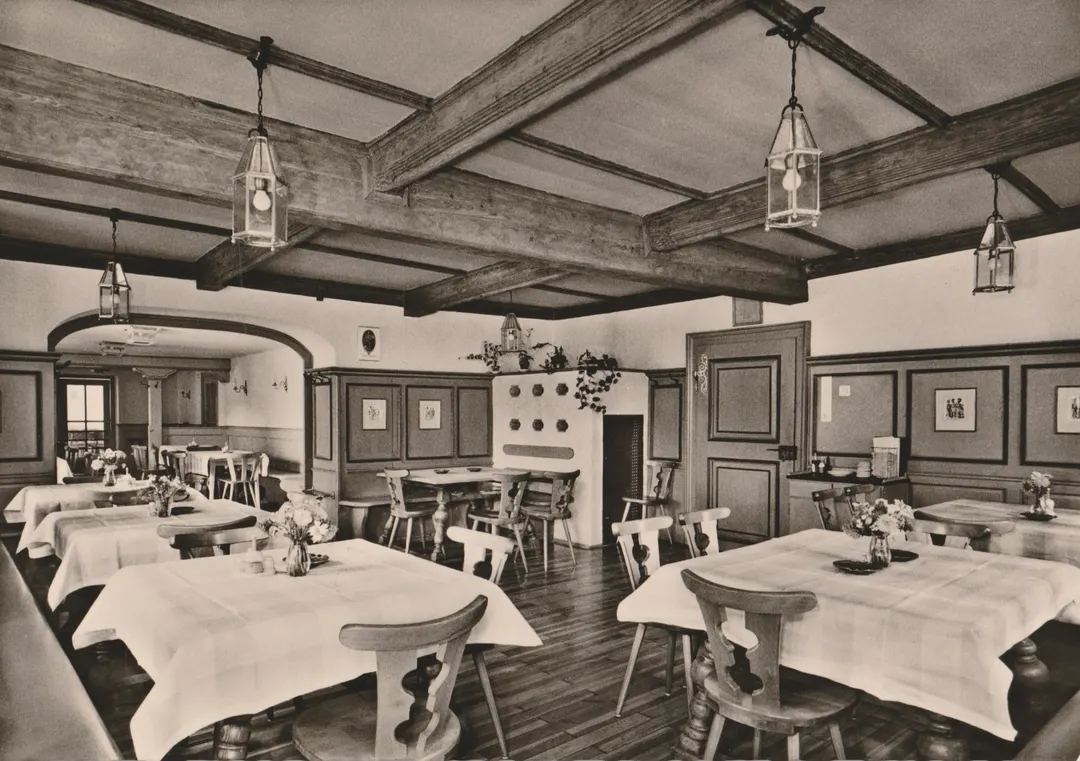
1895
From Schliersee to New York
The company tours America and plays, among other venues, at the Metropolitan Opera in New York. A Bavarian peasant theatre from a village of a few thousand people, on one of the largest stages in the world.
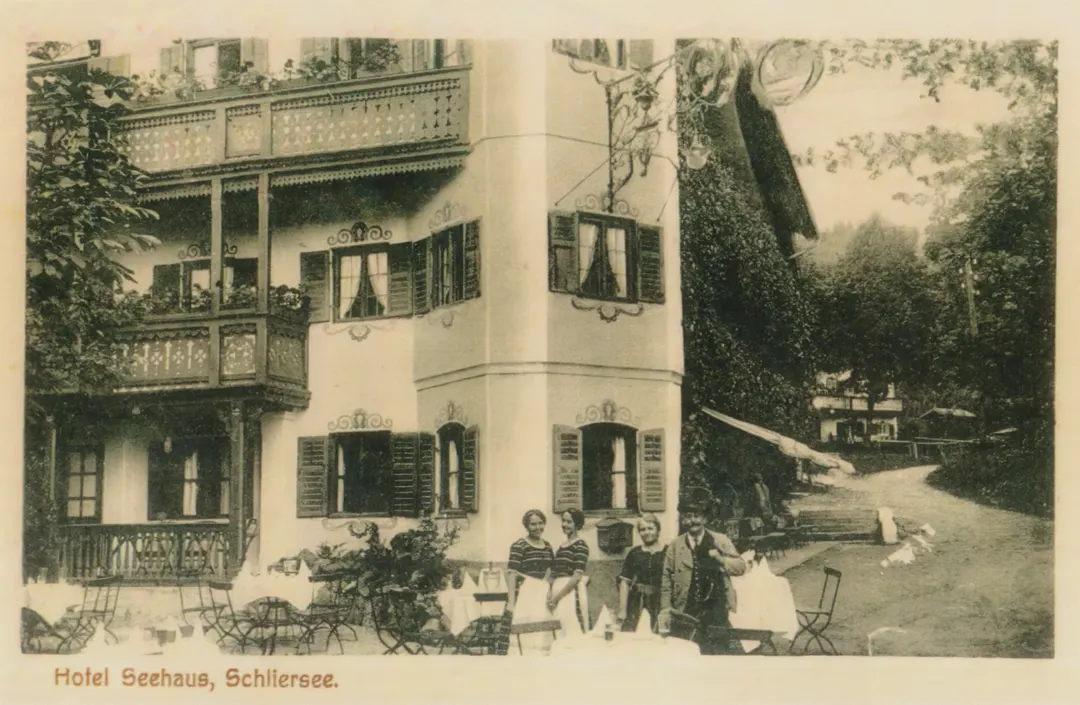
2024
Ute and Markus Leitner take over
The host couple take over the house. It is no small task: a listed building with a history the whole village remembers, and a business that spans hotel, restaurant, bar and hall.
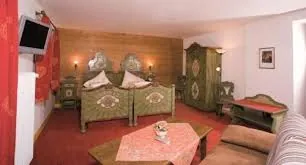
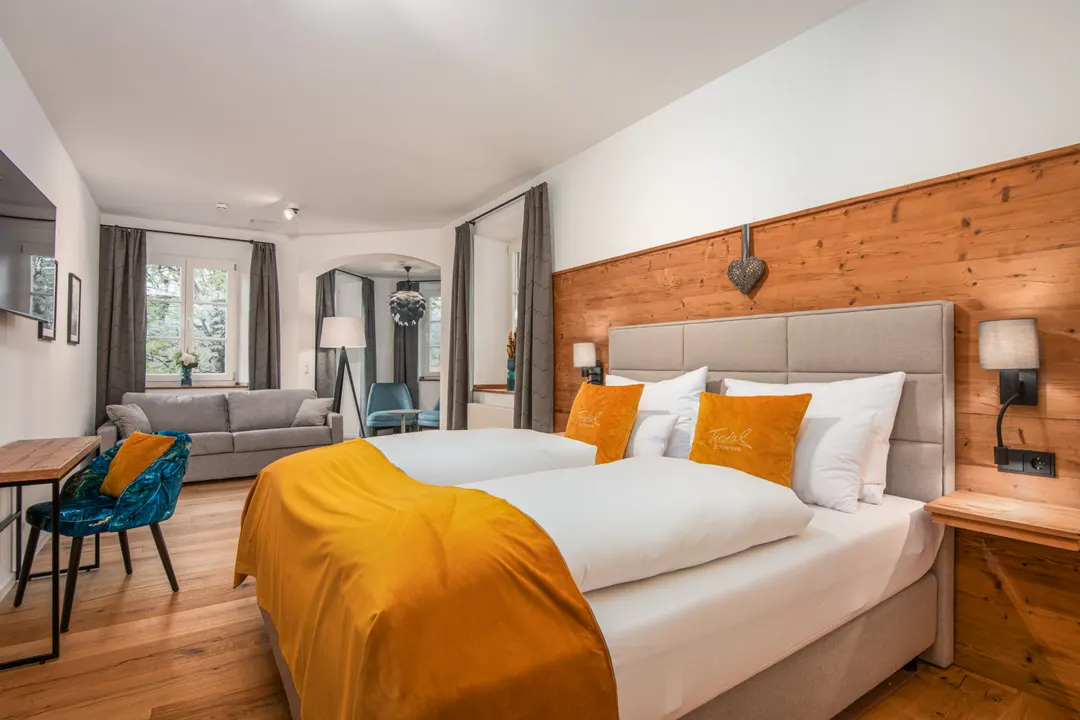
2025
The renovation
Rooms, bar, restaurant and beer garden are redone, all under heritage protection. The old guesthouse becomes a four-star boutique hotel. The top-floor rooms get their own sauna and a view of the lake.
The restoration on film.
Brillux visited Ute and Markus Leitner at the Terofal and captured the restoration in a home story. In the video, in German, the two talk about listed-building protection, craftsmanship and the idea of keeping the old while creating something new.
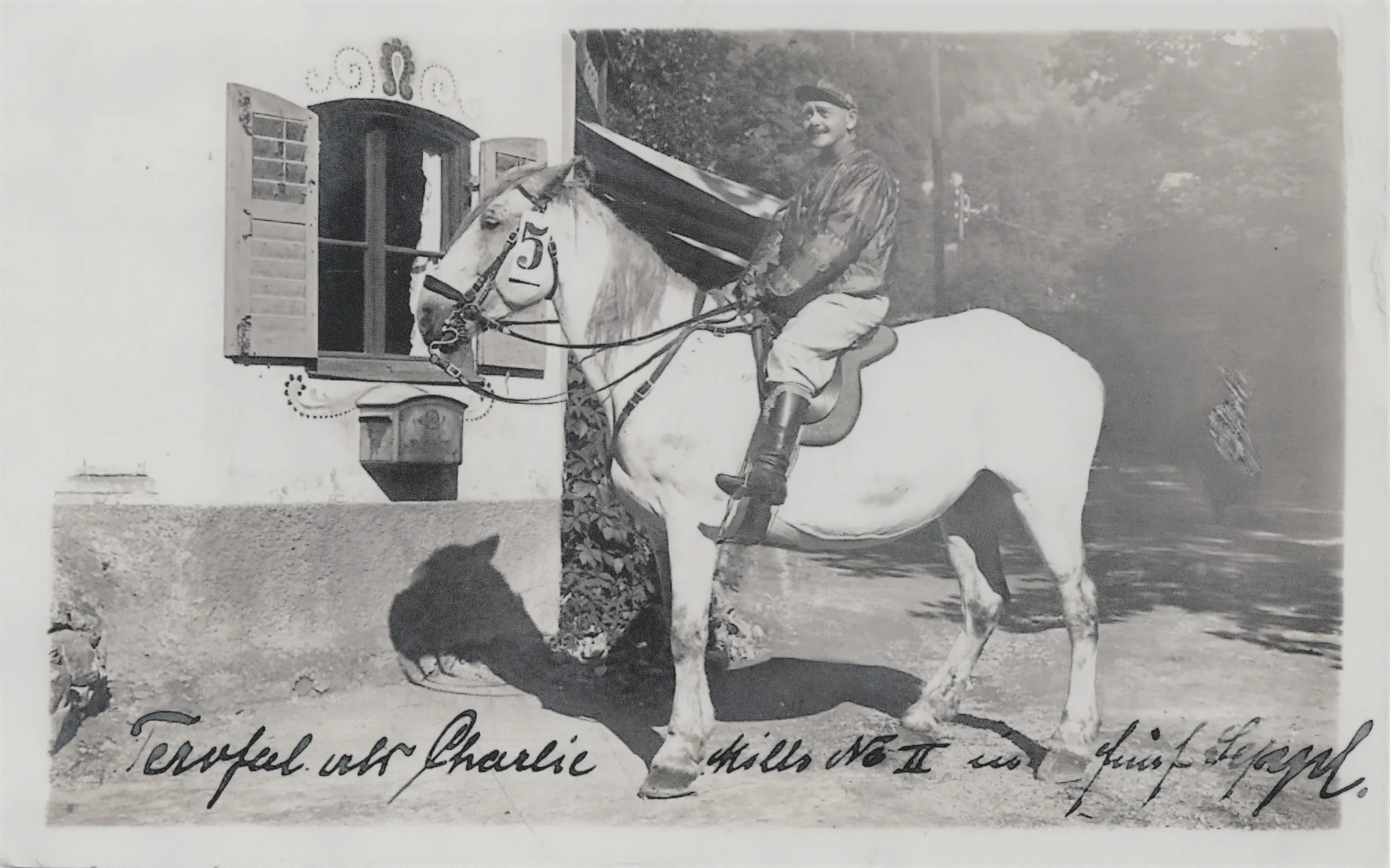
The house then and now.
Frequently asked questions.
How old is the house really?
More than 500 years. Being more precise is difficult, because a house that has stood this long has been rebuilt, extended and partly renewed several times. What is documented is its origin as a Tafernwirt, an inn with the right to put up guests. That is why we deliberately say more than 500 years and give no date we cannot prove.
Who was Xaver Terofal?
An actor and innkeeper, born in 1862, died in 1940. He bought the house in 1891 and a year later founded the Schlierseer Bauerntheater with Konrad Dreher, the very first Bavarian peasant theatre. In 1895 the company toured America and played at the Metropolitan Opera in New York. The square in front of the theatre bears his name today.
Where does the name Terofal come from?
From French, read backwards. The family has French roots: his great-grandfather was secretary to the French legation in Munich and was called Laforet. Laforet read backwards became Terofal. The claim, widespread online, that Xaver Terofal was born François Xavier Laforet is not true.
Does the Bauerntheater belong to the hotel?
No. The building belongs to the municipality of Schliersee and stands right next to the house. The Terofal holds the sole catering right there, and the hall can be booked through us for celebrations and events. The performances are run independently by the Schlierseer Bauerntheater e. V., the theatre association, with its own programme and its own ticket sales. We keep a small allocation of tickets at reception.
What was done in the 2025 renovation?
Rooms, bar, restaurant and beer garden were restored from the ground up, all under heritage protection. That means working with what was there instead of replacing it. This is why the rooms follow the old beams and have sloping ceilings and alcoves. The largest rooms under the roof each received their own sauna.
Read on
- Ute and Markus Leitner
Who runs the house and what belongs to it.
- Celebrations in the historic hall
The 1892 Bauerntheater next door, up to 250 guests with dinner.
- Events through the year
Weiberfasching, Starkbierfest, Maibaum and the Christmas market on our square.
- Lake Schliersee
7.4 km around, up to 23 °C, no motorboats.
Stay in the house
Six room categories in a building whose beams are older than almost anything else in the village. The top-floor rooms have their own sauna and a view of the lake.